
Surfaces Built for Impact and Wind
Metal Roofing in Hendersonville for properties requiring hail resistance and multi-decade lifespan
Asphalt shingles crack under hail impact and degrade in sustained heat, while metal panels withstand both without losing structural integrity, making metal roofing the preferred choice for Sumner County homes where storm frequency and temperature extremes shorten the life of conventional materials. Standing seam systems, corrugated panels, and architectural metal profiles each offer distinct advantages in wind resistance, thermal expansion management, and visual appearance. Happy Homes installs residential metal roofing throughout Hendersonville, using fastener techniques and flashing details engineered for freeze-thaw cycles and the expansion-contraction movement that metal undergoes across seasonal temperature ranges.
Material selection starts with assessing whether standing seam—with concealed fasteners and interlocking panel edges—suits the roof pitch and budget, or whether exposed-fastener corrugated or architectural panels provide adequate performance at lower cost. Structural load verification confirms that roof framing can support metal weight, which exceeds asphalt shingle loads, and custom flashing fabrication ensures that valleys, penetrations, and eave edges integrate without gaps where water can enter.
Arrange an on-site evaluation to determine whether your roof structure accommodates metal installation and which panel style fits your performance requirements..
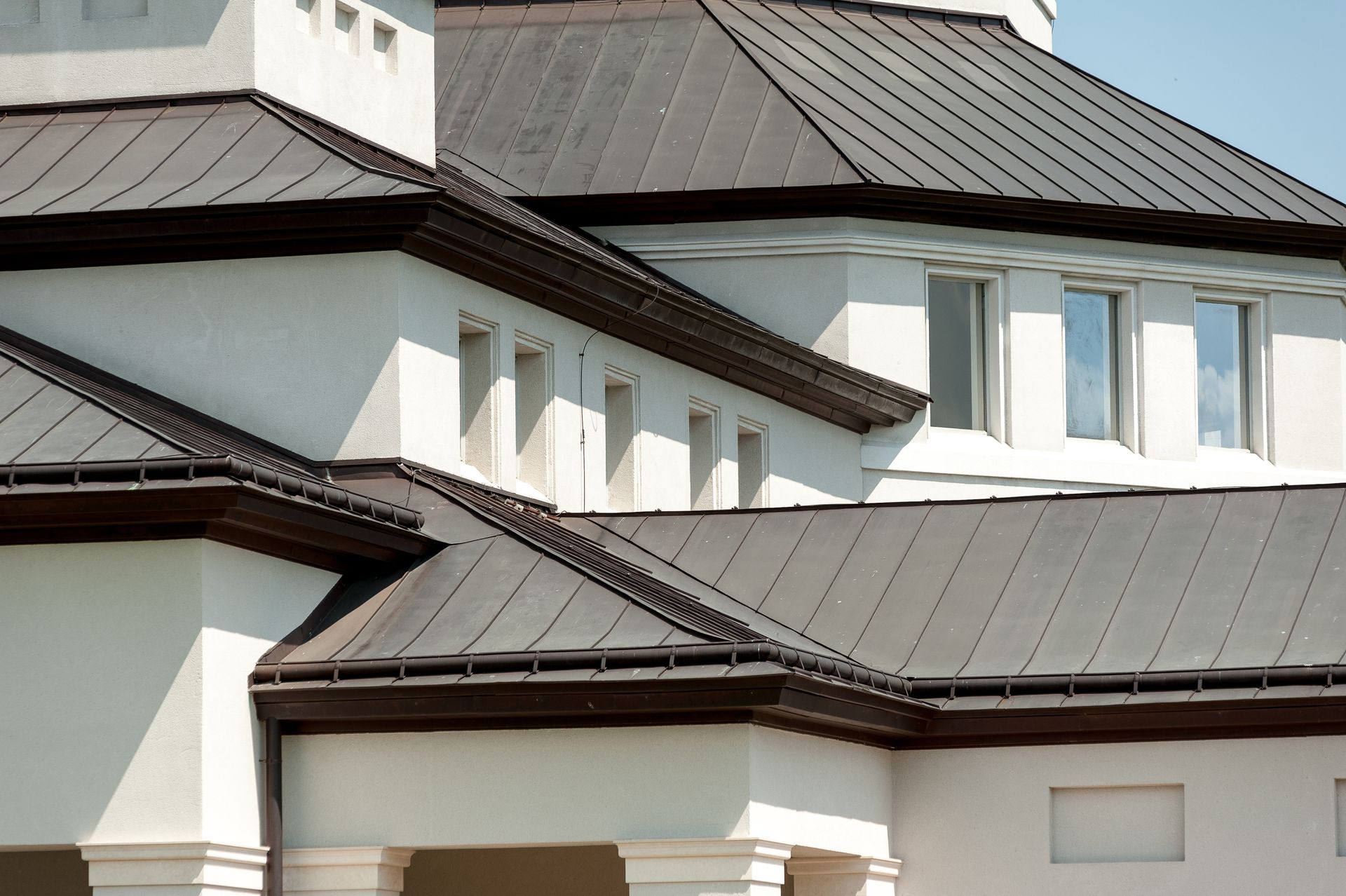
Why Metal Outperforms Asphalt in Hail-Prone Areas
Metal panels dent under severe hail but do not crack or lose waterproof integrity the way shingles do, so roofs remain functional after storms that would require complete shingle replacement, and the longevity advantage—50-year material warranties versus 20 to 30 years for asphalt—offsets the higher initial cost when calculated over the roof's service life. Standing seam systems use clips that allow panels to expand and contract with temperature changes without stressing fasteners, preventing the leaks that occur when thermal movement loosens screws in exposed-fastener systems.
After installation, the roof sheds water and snow more efficiently than shingle surfaces because metal's smooth finish and panel slope prevent debris accumulation and ice dam formation. Energy costs decrease during summer months since metal reflects solar heat rather than absorbing it into the attic space, reducing cooling load compared to dark asphalt shingles that reach temperatures exceeding 160 degrees on sunny days.
Fastener and sealant selection accounts for freeze-thaw cycles that cause inferior products to crack and leak, so stainless steel screws with EPDM washers and high-grade butyl sealants at panel seams maintain weathertight seals through years of seasonal expansion and contraction. Trim and flashing at roof edges, ridges, and penetrations get custom-fabricated to match panel profiles, ensuring that every transition point directs water away from vulnerable joints..
Questions Before Installing Metal
Metal roofing installations raise questions about noise, cost justification, and how standing seam compares to corrugated options for residential applications.
Does metal roofing make homes noisier during rain and hail?
Properly installed metal over solid roof decking with underlayment and attic insulation produces no more interior noise than asphalt shingles during storms, since sound dampening comes from the layers between exterior surface and living space, not from the roofing material itself.
How does the cost difference between metal and asphalt justify itself in Sumner County?
Metal's 50-year lifespan means one installation replaces two or three asphalt re-roofs over the same period, and superior hail resistance eliminates storm damage repairs that asphalt roofs require after severe weather, so total cost of ownership favors metal despite higher upfront expense.
What distinguishes standing seam from corrugated metal for residential use?
Standing seam systems hide fasteners beneath interlocking panel edges and use clips that accommodate thermal movement, while corrugated panels expose fasteners that penetrate the waterproof surface and require periodic maintenance as washers degrade, making standing seam the premium choice for longevity and low maintenance.
Why does metal roofing require custom flashing at every transition?
Metal expands and contracts significantly with temperature changes, so flashing must accommodate movement without creating gaps, and pre-formed trim rarely matches the specific angles and penetrations on individual homes, requiring fabrication that fits exact roof geometry.
How does metal roofing perform in high wind compared to shingles in Hendersonville?
Metal panels interlock or fasten at frequent intervals across the entire surface, creating continuous attachment that resists wind uplift better than individual shingle tabs, so metal roofs remain intact during storms that strip shingles from conventionally roofed homes nearby.
Happy Homes provides material samples, warranty documentation, and detailed cost comparisons that show long-term value alongside installation timelines specific to your roof's size and complexity. Call (615) 388-8588 to discuss whether metal roofing fits your property and budget expectations.