
Outdoor Surfaces Designed to Shed Water
Hardscaping & Patios in Hendersonville for properties needing outdoor living space that handles Tennessee rainfall and freeze-thaw stress
Tennessee rainfall and freeze-thaw cycles cause improperly graded patios to settle unevenly, trap water, and develop surface cracks where moisture infiltrates and expands during winter cold. Drainage dictates whether your patio remains stable or requires releveling within a few seasons—water that pools on the surface or collects beneath pavers undermines the base and creates voids that lead to collapse. Happy Homes designs and installs patios and hardscape features across Hendersonville, Gallatin, and Westmoreland, using site grading, base preparation, and material selection that account for regional precipitation patterns and seasonal ground movement.
Site grading establishes slope away from structures and toward drainage paths before any base material goes down. Base preparation involves excavating to stable subgrade, compacting crushed stone in lifts to create a firm foundation, and ensuring the final grade maintains positive drainage across the entire patio surface. Paver or stone selection considers whether you want permeable installation that allows water infiltration or mortared joints that create a solid surface, and the installation method is matched to the material and site conditions. Drainage slope verification confirms that water moves off the surface as designed rather than pooling in low spots.
Schedule a site evaluation to assess grading requirements and discuss material options that suit your intended use and landscape design..
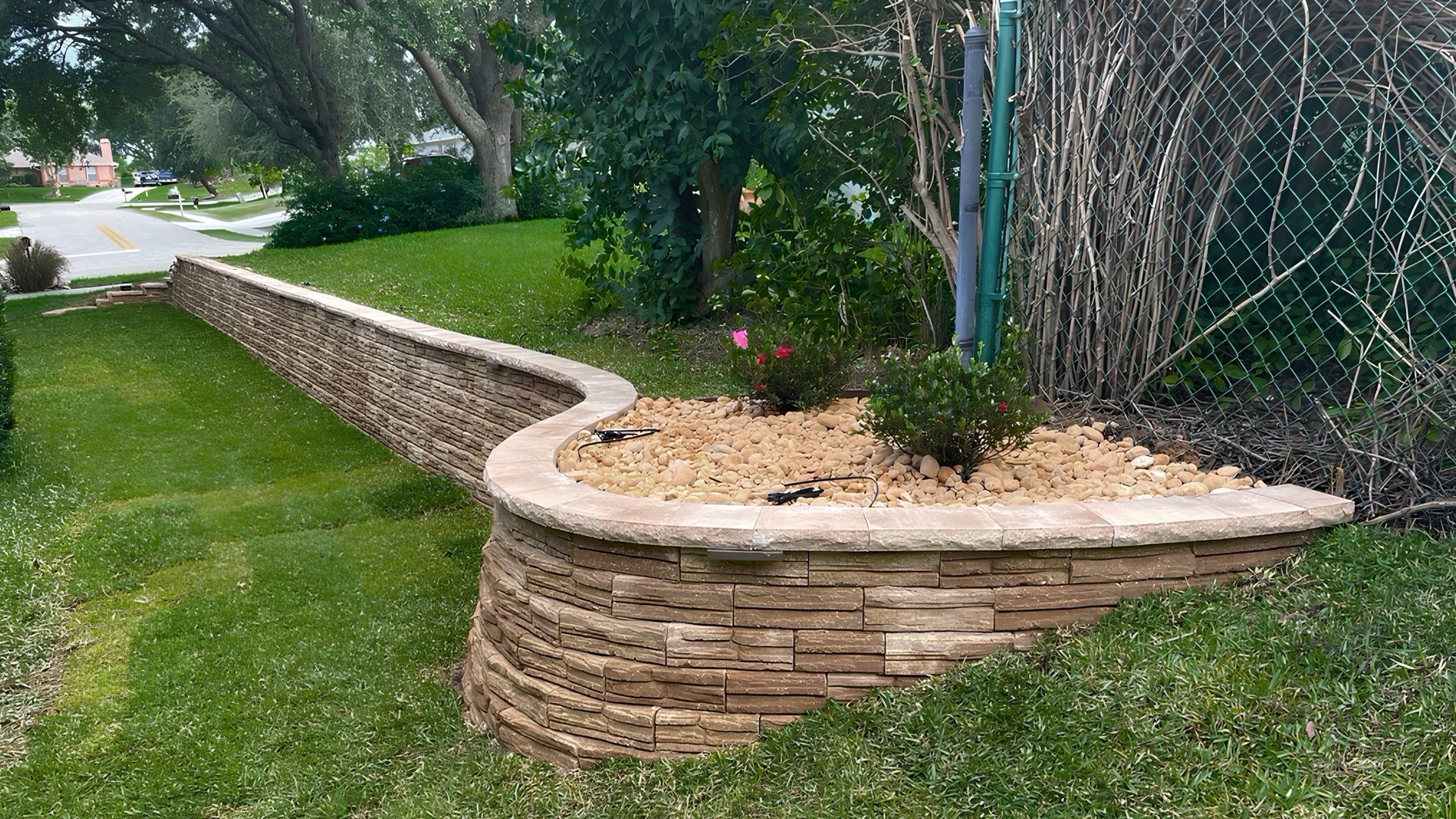
What Changes After Proper Base and Grading Work
Base installation begins with excavation deep enough to remove organic topsoil and reach stable subgrade, typically eight to twelve inches depending on soil type and expected load. Crushed stone goes in next, compacted in two- to three-inch lifts with a plate compactor to eliminate voids and create uniform support. Bedding sand is screeded level to provide a smooth setting surface for pavers, or a mortar bed is prepared for natural stone installation. Edge restraint keeps pavers from shifting outward over time, and joint material—polymeric sand or mortar—locks the surface together while allowing or blocking water infiltration based on design intent.
After installation cures, you'll notice that the patio surface remains level without developing dips or raised sections, water drains toward landscape areas rather than collecting near the foundation, and pavers or stones stay locked in position without spreading or settling. Mortared installations provide a solid walking surface that resists weed growth and insect tunneling, while permeable systems allow rainwater to infiltrate and reduce runoff into adjacent lawn areas. Freeze-thaw cycles cause minimal movement because the base is stable and drainage prevents water accumulation beneath the surface.
Integration with deck and landscape grading ensures that water flowing off elevated structures or sloped yard areas doesn't collect at the patio perimeter. Material durability varies—natural stone weathers differently than concrete pavers, and mortar joints require different maintenance than sand-filled gaps. The choice between permeable and non-permeable installation affects both immediate drainage and long-term maintenance, with permeable systems requiring periodic joint cleaning to maintain infiltration rates..
Common Questions About This Service
Hardscape and patio projects involve decisions about materials, drainage design, and how the surface will integrate with existing outdoor spaces.
What causes patios to settle unevenly after installation?
Inadequate base compaction, poor subgrade preparation, or drainage that directs water beneath the patio creates voids that allow sections to sink as the base material shifts into unstable soil below.
How does permeable paver installation differ from mortared stone?
Permeable systems use sand-filled joints and gravel base layers that allow water infiltration, while mortared installations sit on a solid base and shed water across the surface toward drainage points.
Why does drainage slope matter more in Hendersonville than in drier climates?
Regional rainfall totals and seasonal storm intensity mean that patios without proper slope accumulate standing water that accelerates surface deterioration, promotes mildew growth, and creates slip hazards.
When should existing patios be rebuilt instead of releveled?
If the base has failed, subgrade has become unstable, or drainage design is fundamentally flawed, surface releveling won't address the underlying problem and the patio will settle again within a season.
What edge restraint prevents pavers from spreading over time?
Plastic or aluminum edge restraint is staked into the base material along the patio perimeter, physically blocking outward movement and maintaining joint alignment even as pavers experience thermal expansion.
Site grading, base preparation, and material selection determine how your patio performs through years of rainfall and freeze-thaw cycles. Happy Homes evaluates soil conditions, existing drainage patterns, and integration with deck or landscape features to design hardscaping that remains stable and functional. Request an on-site assessment to review your property's specific grading challenges and discuss paver or stone options.